

Is Day Trading Gambling has become one of the most debated ways to make money in financial markets. With the growth of online brokerages and commission free trading platforms, many people see day trading as a shortcut to financial freedom. At the same time, critics argue that it is nothing more than gambling in a financial disguise. So what is the truth? Is day trading gambling, or is it a skill that can be developed with discipline and experience? The answer is more nuanced than most headlines suggest.
Understanding Day Trading
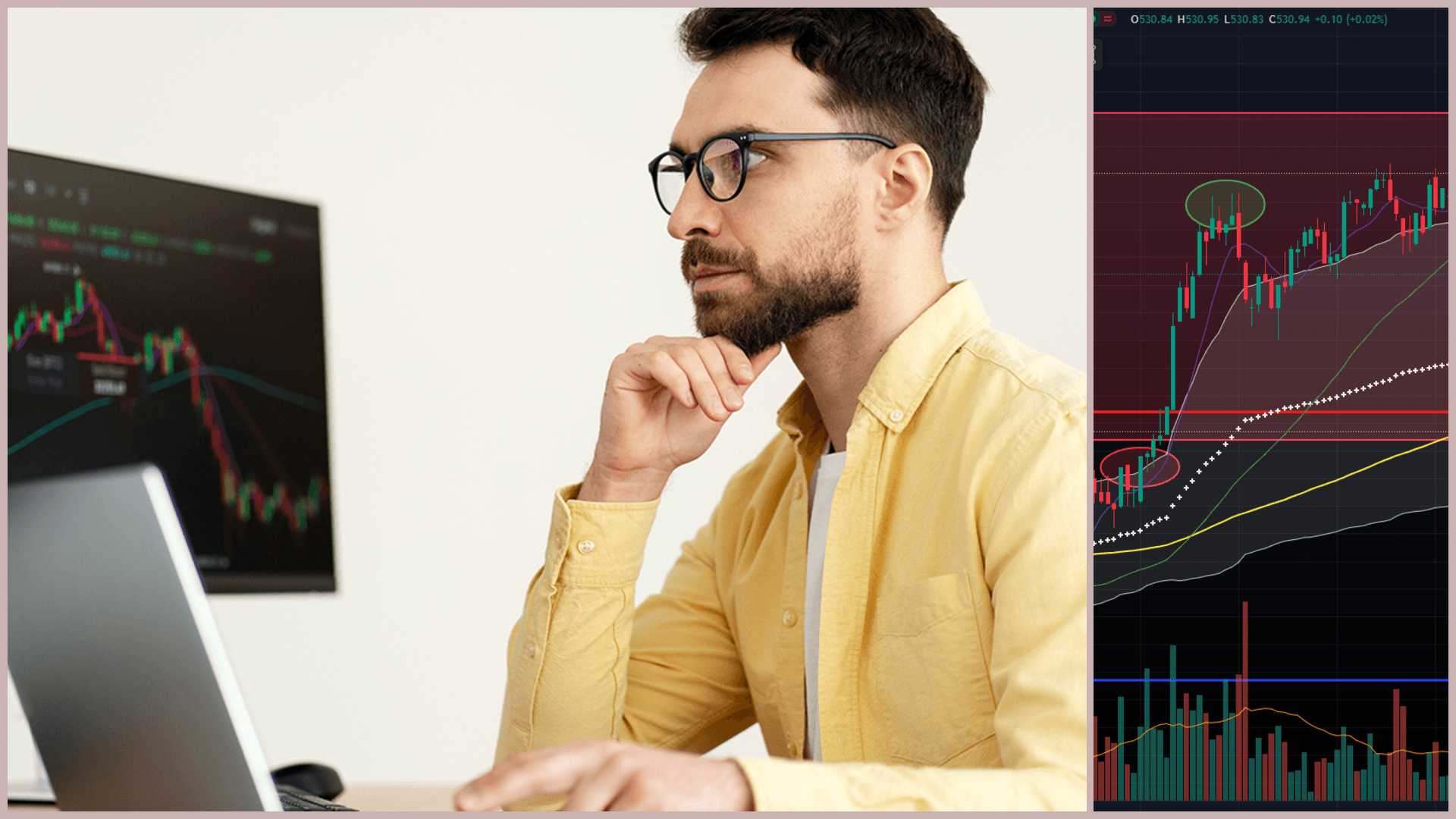
Day trading is the practice of buying and selling financial instruments within the same trading day. Traders typically close all positions before the market ends to avoid overnight risk. These instruments may include stocks, currencies, options, futures, or cryptocurrencies. The goal is to profit from small price movements that happen throughout the day.
Unlike long term investing, which focuses on the growth of companies or assets over years, day trading is centered on short term price action. Traders rely heavily on technical analysis, price charts, volume patterns, and market momentum. It is a fast paced activity that requires quick decision making and constant attention.
Why People Compare It to Gambling
The comparison between day trading and gambling usually comes from the shared element of risk. In both cases, money is placed at risk in the hope of earning more. Outcomes are uncertain. Wins can happen quickly, and losses can accumulate just as fast.
Psychology also plays a major role. Studies in behavioral finance show that financial risk taking activates similar reward systems in the brain as gambling. The anticipation of a winning trade can release dopamine, creating excitement and reinforcement. This emotional cycle can lead some traders to chase losses or overtrade, behavior that closely resembles gambling habits.
Statistics often strengthen this comparison. Research examining retail trading activity has consistently shown that a large percentage of day traders lose money over time. Academic studies in several markets suggest that only a small minority of traders achieve consistent profitability. In some well known research on retail traders in emerging markets, fewer than 10 percent were able to maintain consistent profits, and an even smaller percentage earned returns high enough to make a living. These findings highlight how difficult short term trading truly is.
The Role of Skill
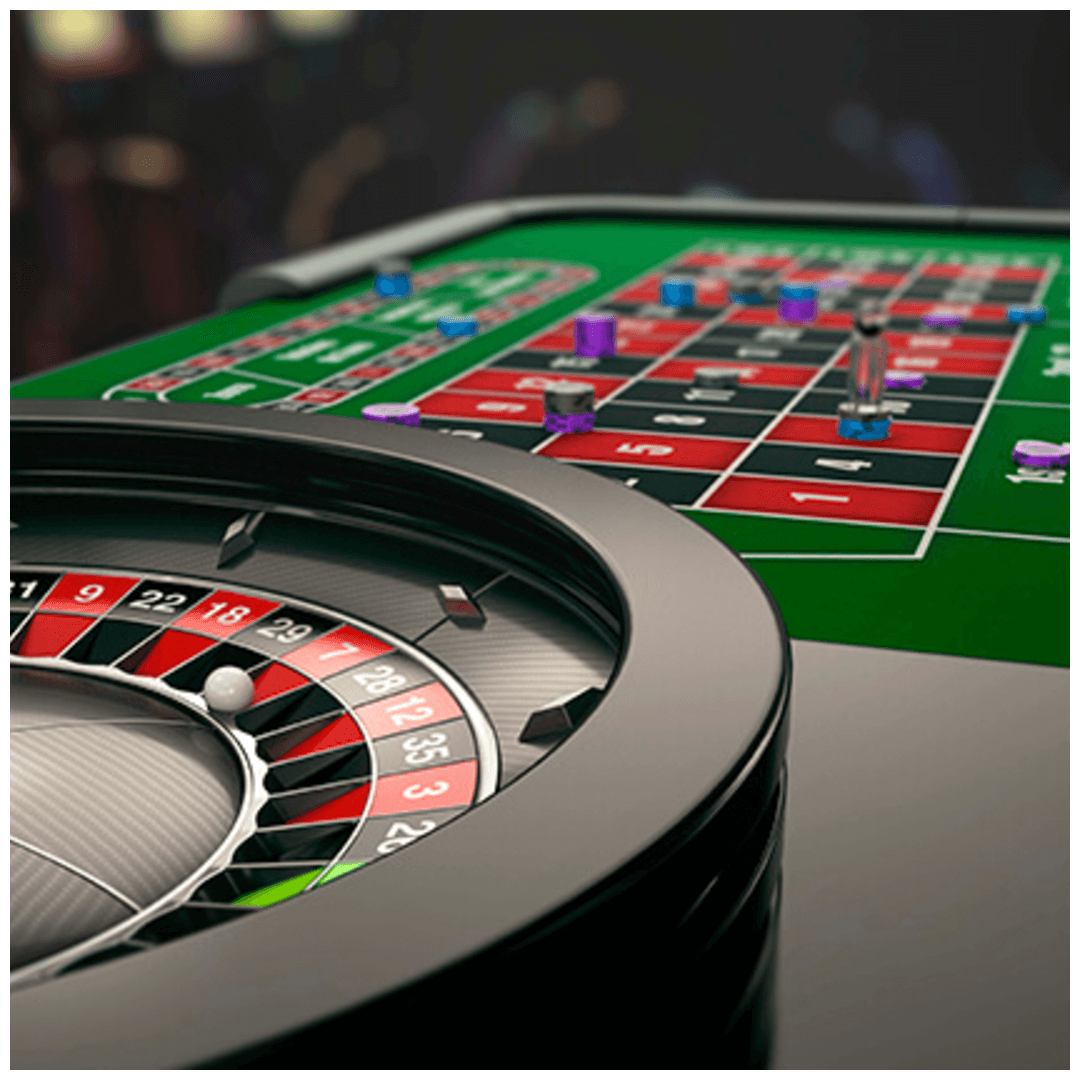
Despite these similarities, there are important differences between gambling and day trading. The most significant difference is the presence of skill. In casino games, the odds are fixed and structured to favor the house. Over time, the mathematical expectation works against the player. No amount of discipline can change the built in advantage of the casino.
Financial markets operate differently. Markets are driven by supply and demand, economic data, institutional activity, and human behavior. While short term price movements can appear random, traders can study historical data, identify patterns, and develop strategies with measurable probabilities. Skill does not guarantee success, but it can influence outcomes.
Professional traders spend years refining strategies, backtesting systems, and learning risk management. They analyze volatility, liquidity, and market structure. This process is fundamentally different from placing a random bet. Skill in trading involves probability management rather than prediction. The goal is not to win every trade but to create a positive expectancy over many trades.
Risk Management
One of the clearest distinctions between disciplined trading and gambling is risk control. Skilled traders define in advance how much they are willing to lose on a single trade. They use stop loss orders and position sizing techniques to limit downside exposure. Many professionals risk only a small percentage of their capital on each position to avoid catastrophic losses.
In gambling, once a bet is placed, the outcome is largely outside the participant’s control. In trading, risk can be adjusted before and during the trade. A trader can exit early if market conditions change or reduce position size during volatility. This ability to manage exposure is central to professional trading practice.
When risk management is ignored, trading behavior begins to resemble gambling. Increasing position sizes to recover losses, trading impulsively without a plan, or risking money that cannot be afforded to lose are warning signs that discipline has broken down.
Luck and Probability
Luck plays a role in both trading and gambling, especially in the short term. A trader may follow a sound strategy and still experience losses due to unpredictable market events. Economic announcements, geopolitical developments, or sudden shifts in sentiment can reverse price direction without warning.
However, unlike traditional gambling games with fixed negative expectations, trading outcomes depend on the strategy applied. If a trader develops a method with a statistical edge and manages risk properly, long term results can reflect that edge. The presence of uncertainty does not automatically make an activity gambling. It is the structure of probabilities and the ability to influence them that matter.
The Psychological Challenge
Even when skill and strategy are present, the psychological demands of day trading are intense. Fear and greed can distort decision making. Loss aversion may cause traders to hold losing positions too long. Overconfidence after a series of wins may lead to excessive risk taking.
Behavioral finance research shows that humans are not naturally wired to make optimal decisions under uncertainty. Emotional discipline is often the hardest skill to master. Many traders fail not because their strategy lacks merit, but because they struggle to follow it consistently.
This psychological pressure is one reason why day trading is not suitable for everyone. It requires patience, emotional stability, and the ability to accept losses as part of the process. Without these traits, trading can quickly turn into impulsive risk taking.
What the Data Suggests
Regulatory agencies and financial researchers frequently warn that day trading carries substantial risk. Studies of retail brokerage accounts have shown that a majority of active short term traders underperform broad market indexes. Transaction costs, spreads, and taxes further reduce net returns.
In well documented academic research from large stock exchanges, only a small fraction of day traders were consistently profitable over extended periods. Many traders stopped trading within a few years after experiencing losses. These findings reinforce the idea that success in day trading is rare and demanding.
It is important to note that difficulty does not equal impossibility. Certain professional trading firms and experienced individuals do generate consistent profits. The difference often lies in capital size, access to advanced tools, strict risk control, and years of experience.
When Trading Becomes Gambling
Day trading crosses into gambling territory when it loses structure. Trading without a tested strategy, entering positions based on rumors or emotions, and ignoring risk management are behaviors that mirror gambling more than professional trading.
Another warning sign is trading for entertainment or emotional excitement. When the primary motivation becomes the thrill of action rather than disciplined execution, financial decisions tend to deteriorate. At that point, the activity is no longer guided by probability management but by impulse.
The Verdict
So is day trading gambling The honest answer is that it depends on how it is practiced. The mechanics of trading are not inherently gambling. Markets allow for analysis, strategy development, and risk control. Skill can influence long term outcomes, and disciplined traders can develop a measurable edge.
However, without preparation and emotional control, day trading can easily resemble gambling. The fast pace, uncertainty, and potential for rapid gains or losses create an environment where impulsive behavior thrives.
Day trading is best understood as a high risk financial activity that requires skill, discipline, and resilience. It is not a guaranteed path to wealth, and it is not suitable for everyone. For those willing to approach it seriously, with education and strict risk management, it is a professional endeavor grounded in probability. For those who treat it casually or emotionally, it becomes little different from placing bets
Frequently Asked Questions
Is day trading the same as gambling?
No, they are not the same by definition. Gambling relies mostly on fixed odds that favor the house, while day trading involves analyzing market data and managing risk. However, if someone trades without a plan or discipline, it can resemble gambling behavior.
Why do most day traders lose money?
Many beginners underestimate the difficulty of short term trading. Lack of experience, emotional decision making, poor risk management, and overtrading are common reasons losses occur. Transaction costs and market volatility also reduce profitability over time.
Can you realistically make a living from day trading?
Yes, but it is rare and challenging. A small percentage of traders achieve consistent profits after years of practice, education, and strict discipline. It usually requires significant capital, strong risk control, and emotional stability.
Is day trading more risky than long term investing?
Generally, yes. Day trading involves frequent decisions and exposure to short term price swings, which increases volatility and stress. Long term investing spreads risk over time and typically relies on broader market growth rather than rapid price changes.
How can someone avoid turning day trading into gambling?
The key is structure and discipline. Developing a tested strategy, setting strict risk limits, controlling emotions, and treating trading as a serious financial activity rather than entertainment can help maintain a professional approach.
Is Day Trading Gambling or a Misunderstood Skill?
Why Is Day Trading Gambling a Common Question?
When Is Day Trading Gambling in Practice?
Is Day Trading Gambling or Strategic Risk Taking?
The Real Answer to Is Day Trading Gambling
Table of Contents
Introduction
Understanding Day Trading
Why People Ask Is Day Trading Gambling
The Role of Skill in Trading
Risk Management and Control
Luck Versus Probability
The Psychological Challenge
What the Data Suggests
When Day Trading Becomes Gambling
Final Verdict
Frequently Asked Questions









Leave a Reply