
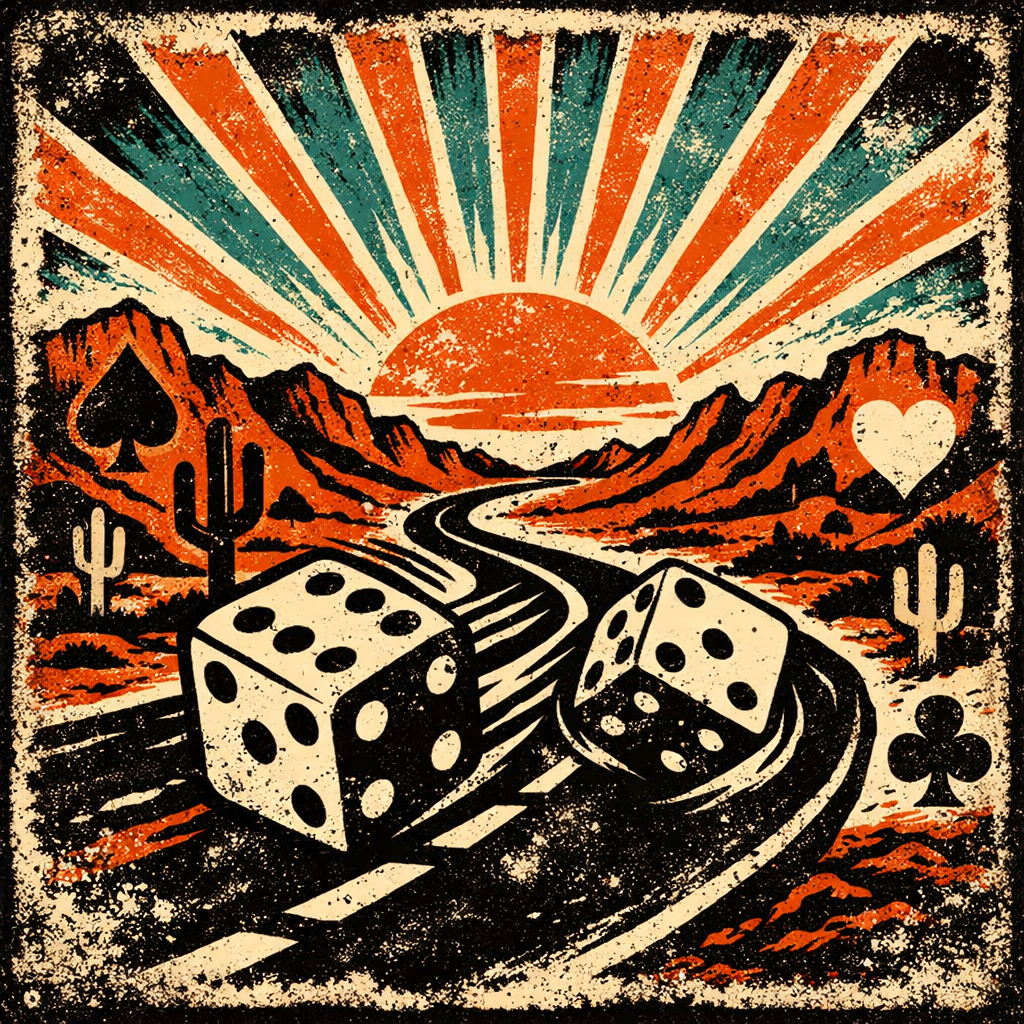
Ramblin Gamblin Man Lyrics is one of those songs that grabs you from the very first riff and refuses to let go. From the moment the sharp organ sound bursts through and Bob Seger’s gritty voice takes over, there is an undeniable sense of movement and freedom. The lyrics feel alive, restless, and honest. Decades after its release, this song still connects with listeners because it speaks to something deeply human: the desire to live freely, take risks, and keep moving forward.
The phrase “Ramblin’ Gamblin’ Man” is not just a title. It represents a mindset, a way of life built on motion and instinct rather than comfort and routine. That is exactly why this song became Bob Seger’s first major breakthrough and why it continues to resonate with new generations of listeners Ramblin Gamblin Man Lyrics
Origins of the Song
“Ramblin’ Gamblin’ Man” was released in 1968 by The Bob Seger System, during a period when rock music was rapidly evolving. It was the song that introduced Bob Seger to a national audience and marked his first real commercial success. Before this moment, Seger was still fighting to be heard outside his local music scene, and this track changed everything.
Ramblin Gamblin Man Lyrics Explained: The Powerful Story Behind This Classic Hit ✅
The late 1960s were defined by cultural shifts, social unrest, and a growing appetite for music that challenged traditional values. Rock music became a voice for young people who wanted freedom and authenticity. “Ramblin’ Gamblin’ Man” fit perfectly into this moment. It did not try to be polished or safe. Instead, it delivered raw energy and a story that felt personal and unfiltered.
The song later appeared on Seger’s album of the same name, further cementing its importance in his early career. It laid the foundation for the storytelling style and emotional honesty that would later define his most famous work.
What the Lyrics Are Really Saying
At its core, the lyrics of “Ramblin’ Gamblin’ Man” tell the story of a man who was never meant to stay in one place. The opening lines immediately establish a sense of loneliness and movement, suggesting a life shaped by travel rather than roots. This is not a complaint or a regret. It is simply a statement of identity.
The gambling imagery throughout the song is symbolic rather than literal. Gambling represents risk, uncertainty, and the willingness to trust fate. The narrator chooses chance over security, instinct over planning. This approach to life is presented as natural and necessary for who he is.
When the lyrics mention leaving home at a young age, it reinforces the idea that this restless nature was present early on. The narrator is not running away from something but running toward a life that feels true to him. There is no apology in his voice, only acceptance.
The repeated chorus feels almost like a personal mantra. The act of rambling and gambling is not a flaw. It is a calling. The repetition reinforces the idea that this way of living is unavoidable and deeply ingrained.
Later lines acknowledge struggles such as lack of money or the limits of love, yet there is no sense of defeat. Instead, there is clarity. Love alone cannot replace the need for movement and freedom. The narrator understands himself well enough to be honest about that.
Themes That Still Resonate Today
One of the strongest reasons this song still hits today is its timeless themes. Freedom and restlessness sit at the heart of the lyrics. The desire to escape routines and expectations is something people still feel deeply, especially in a world that often values stability over passion.
Risk is another major theme. The song celebrates the idea of taking chances, even when the outcome is uncertain. This message resonates with anyone who has ever faced a crossroads and chosen the less predictable path.
Identity is also central to the song. The narrator knows who he is and refuses to change to fit someone else’s idea of success or happiness. That sense of self-acceptance feels just as relevant now as it did decades ago.
How the Music Supports the Message
The music behind “Ramblin’ Gamblin’ Man” plays a huge role in its lasting impact. The driving rhythm and fast pace create a feeling of urgency that mirrors the lyrics. The song never feels still, and that constant motion reflects the narrator’s lifestyle.
“ramblin gamblin man lyrics” by The Bob Seger System is a timeless rock classic. Its combination of driving rhythms and vivid storytelling has kept listeners engaged for decades.
Bob Seger’s vocal delivery adds another layer of authenticity. His voice is rough around the edges, sounding more like a lived experience than a performance. It feels personal, as if he is telling his own story rather than playing a character.
The structure of the song is simple, which allows the message to shine. Nothing feels overproduced or artificial. Every element works together to support the core idea of movement and freedom.
Cultural Meaning and Lasting Influence
When “Ramblin’ Gamblin’ Man” was released, it reflected the spirit of a generation questioning tradition and authority. While not overtly political, the song aligned with the broader cultural push toward individual freedom and self-expression.
Unlike many songs from that era that were tied closely to specific political moments, this track focused on personal truth. That choice helped it age well. It does not feel locked into a particular time or message. Instead, it remains open to interpretation and personal connection.
The song also set the tone for Bob Seger’s future work. Themes of travel, identity, and reflection would continue to appear throughout his career. “Ramblin’ Gamblin’ Man” was the first clear expression of the storytelling voice that would later define him as an artist.
Why the Song Still Hits Today
What keeps “Ramblin’ Gamblin’ Man” alive is its honesty. The lyrics do not try to impress or persuade. They simply tell the truth of one person’s nature. That kind of authenticity is rare and powerful.
In a world where many people feel pressured to follow predefined paths, the song offers an alternative. It reminds listeners that it is okay to live differently, to take risks, and to keep moving even when the destination is unclear.
The song continues to connect because it speaks to a universal feeling. The urge to wander, to test limits, and to live without regret has not faded with time. If anything, it has become more relevant.
Final Thoughts
“Ramblin’ Gamblin’ Man” is more than a classic rock song. It is a portrait of a restless soul and a celebration of living authentically. Through its lyrics and sound, it captures the courage it takes to choose freedom over certainty.
Frequently Asked Questions
What is the meaning behind Ramblin Gamblin Man lyrics
The lyrics describe a restless person who chooses freedom and risk over comfort and routine. It reflects a life driven by movement, chance, and personal instinct rather than stability or security.
Is Ramblin Gamblin Man based on Bob Seger’s real life
While the song is not a direct autobiography, it reflects emotions and attitudes Bob Seger understood deeply in his early career. The themes of wandering and self-identity align closely with his journey as a young musician.
Why did Ramblin Gamblin Man become so popular
The song stood out because of its raw energy, honest lyrics, and rebellious spirit. It connected strongly with listeners who related to its message of independence and nonconformity.
What genre does Ramblin Gamblin Man belong to
The song is rooted in classic rock with elements of hard rock and blues influence. Its driving rhythm and gritty vocals helped shape Bob Seger’s signature sound.
Why do Ramblin Gamblin Man lyrics still resonate today
The lyrics remain relevant because the desire for freedom, risk, and self-expression is timeless. Modern listeners still connect with its message of living authentically and refusing to feel trapped.
Ramblin Gamblin Man Lyrics Explained: Why This Song Still Hits Today
“Ramblin Gamblin Man” by The Bob Seger System is a song that has stood the test of time. Its mix of rock energy and storytelling makes it one of those tracks that still resonates with listeners decades after its release. In this article, we will break down the song in detail, showing why the lyrics remain compelling and how the music reinforces its themes.
Ramblin Gamblin Man Lyrics Explained: Storyline and Themes
At its core, “Ramblin Gamblin Man” tells the story of a man who rejects conventional life. The lyrics describe a wanderer, a risk-taker, and someone who lives freely without the constraints of society. This central character embodies themes of independence, adventure, and rebellion. By analyzing the lyrics, we see that Seger captures the spirit of youthful defiance that many listeners relate to even today.
The song also touches on the allure and danger of gambling, both literally and metaphorically. The “gamblin” in the title symbolizes taking risks and embracing uncertainty, while “ramblin” highlights movement, change, and a refusal to be tied down. Together, these concepts give the song a timeless appeal, speaking to anyone who has felt the pull between responsibility and freedom.
Ramblin Gamblin Man Lyrics Explained: Key Lines and Interpretation
Certain lyrics stand out for their vivid imagery and clever storytelling. Lines describing the protagonist’s restless lifestyle convey his refusal to conform. Phrases about traveling, gambling, and breaking societal norms emphasize the character’s rebellious nature. By examining these lines closely, we can see Seger’s ability to blend narrative and emotion in a way that resonates across generations.
The chorus reinforces the identity of the “Ramblin Gamblin Man” as someone constantly moving, embracing chance, and challenging expectations. This repetition helps the listener internalize the song’s main ideas, making it both memorable and relatable.
Ramblin Gamblin Man Lyrics Explained: Musical Style and Influence
The lyrics alone are only part of what makes this song impactful. The driving rock rhythm, powerful guitar riffs, and Seger’s energetic vocals amplify the story being told. The music mirrors the protagonist’s restless, adventurous lifestyle, creating an immersive experience for the listener.
Musically, the song’s arrangement contributes to its lasting popularity. The combination of bluesy rock elements with a straightforward structure allows the lyrics to shine while keeping the energy high. This balance ensures that the message of rebellion and freedom is conveyed as clearly as possible.
Why Ramblin Gamblin Man Lyrics Explained Still Resonates Today
The song’s enduring relevance lies in its universality. Themes of independence, risk, and living life on one’s own terms are timeless. The lyrics speak to anyone who has felt constrained by expectations or drawn to adventure. By breaking down and explaining the lyrics, listeners can fully appreciate Seger’s storytelling and understand why this song continues to inspire both longtime fans and new audiences.
The song’s energy, narrative, and relatability are what make it timeless. Even decades after its release, the character of the Ramblin Gamblin Man embodies values that resonate with listeners today, from embracing uncertainty to valuing personal freedom.
Final Thoughts: Ramblin Gamblin Man Lyrics Explained
By examining the lyrics and music of “Ramblin Gamblin Man,” it becomes clear why the song still hits with audiences today. Its blend of rock energy, vivid storytelling, and universal themes of rebellion and freedom makes it more than just a classic track—it’s a cultural touchstone.










Leave a Reply