
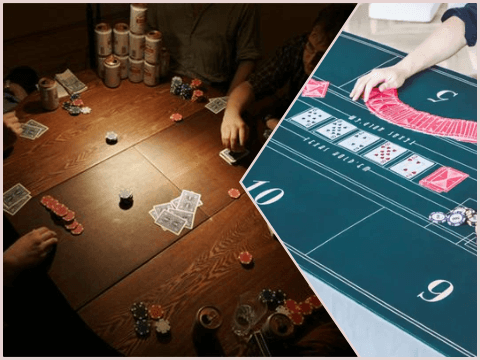
Hosting a poker tournament rules home is one of the best ways to bring friends together for a night of excitement, strategy, and friendly competition. Whether you’re planning a casual game night or a more serious tournament, understanding the right rules and structure will ensure that everyone has fun and feels treated fairly. Organizing a home poker tournament can be as simple or as detailed as you want it to be, but certain key principles will help you set up a smooth, enjoyable event for players of all levels.
One of the first things to decide when hosting a poker tournament at home is what kind of experience you want to create. A tournament differs from a casual cash game in that every player starts with a set number of chips, blinds increase over time, and the goal is to outlast your opponents to win the prize pool. To achieve this, you’ll need to think carefully about the structure of your tournament, how blinds progress, how chips are distributed, and what etiquette rules you want to enforce. Getting these elements right will make your game night fun, fair, and memorable for everyone involved poker tournament rules home.
Having a clear structure for blinds and chips is especially important in a tournament setting. In a home game, blinds generally start at a level that allows all players ample opportunity to make decisions and build their stacks without too much pressure early on. As time goes on, blinds increase in set intervals to maintain momentum and encourage action. This gradual escalation keeps the game moving and helps ensure the tournament finishes in a reasonable amount of time without feeling rushed. Experts recommend blind levels that last between fifteen and twenty minutes for most home tournaments. This gives players enough time to think through decisions while still keeping the overall pace engaging. The blind structure should also be posted in a visible place so everyone knows exactly how the tournament will proceed.
Choosing how many chips each player begins with is another critical decision. A good rule of thumb is to provide a stack that represents between fifty and one hundred big blinds at the starting level. This allows players to have depth in their decision-making and reduces the likelihood that early blinds will eliminate players too quickly. For example, if your blinds start at 25/50, giving each player a starting stack of 1000 in chips means that every player begins with 20 big blinds, which feels comfortable for most styles of play. Adjusting this balance based on the size of your group and how long you want the tournament to last helps tailor the experience to your event.
It is equally important to organize your chip denominations thoughtfully. Effective chip distribution prevents confusion and minimizes the need for frequent change-making during play. Many home hosts use sets that include several denominations, such as small valued chips for lower blinds and larger chips for higher blinds as the tournament progresses. Keeping enough smaller chips at the start allows players to bet comfortably in early rounds, and as play moves forward you can “color up” smaller denominations into higher denominations once they are no longer useful.
Another key decision is whether to allow rebuys or add-ons. A rebuy means a player who has lost all their chips can buy back into the tournament at a set cost, usually within a fixed time window. Allowing rebuys can keep a larger field of players engaged early on, but it can also extend the length of your home event and complicate prize distribution. If you choose to include rebuys, make sure all players know the rules in advance and agree to them. Transparency about buy-in fees, rebuy opportunities, and add-on rules will help prevent disagreements later in the night.
Once you’ve determined the structure, it’s time to think about etiquette. Good sportsmanship ensures that all players feel respected and enjoy the evening. Establishing etiquette rules might seem formal for a home game, but they really help maintain a positive atmosphere. Players should understand basic behavior expectations, such as not criticizing others’ play, not touching another player’s chips or cards, and refraining from unnecessary chatter that could disturb active hands. Encouraging politeness and courtesy ensures that even competitive moments stay friendly.
In addition to attitude, how players handle the physical aspects of the game matters too. Keeping chips and cards clearly visible on the table, not bending or marking cards, and acting in turn are all part of maintaining a fair game. Players should also avoid showing opponents’ cards or discussing potential outcomes during a hand, as this can influence decision-making and lead to disputes. Clear etiquette standards help maintain integrity and trust throughout the night.
Another logistical element hosts should consider is how to deal with breaks. Poker tournaments can last several hours, and allowing short breaks at scheduled intervals helps players stay fresh mentally and physically. Breaks can be built into your blind structure or inserted at natural points in the game, such as after several blind increases or after the late registration period closes. Providing refreshments and a chance to stretch during these breaks is a small touch that makes a big difference in comfort and enjoyment.
While rules and etiquette help keep the game fair, clarity around prize distribution is equally important. For smaller groups, a common payout structure might reward the top two finishers with the larger share going to first place. For larger groups, you can distribute the prize pool among more players, ensuring that several participants are rewarded for advancing deep into the event. Letting players know how payouts will work before the tournament starts avoids confusion and disappointment later.
Balancing fun and competitiveness is the art of hosting a great home poker tournament. You want everyone to enjoy themselves, but you also want the game to feel structured and purposeful. Communicating your rules clearly before play begins, posting blind and chip information visibly, and reminding players of etiquette guidelines lays a foundation for a smooth and enjoyable evening. Once the tournament is underway, having some flexibility and a calm demeanor will help you handle any unexpected situations gracefully.
In many ways, hosting a home poker tournament is as much about the atmosphere you create as it is about the cards and chips on the table. Paying attention to small details, like making sure everyone understands the rules and feels comfortable with the pace of the game, turns a simple gathering into a memorable event. Poker nights can become cherished traditions among friends when you combine structure with warmth, courtesy, and a little light-hearted competition.
Ultimately, poker is a game of strategy, psychology, and chance. It brings people together and challenges them in ways that most other casual games do not. Organizing a well-run poker tournament at home shows respect for the game and for your friends, and it rewards both the winner and every participant with an experience worth remembering. With thoughtful preparation, clear rules, and good hospitality, your home poker tournament will be a highlight that everyone looks forward to repeating.
Poker Tournament Rules home
Hosting a home poker tournament is a great way to bring friends together for a night of fun, strategy, and friendly competition. To keep the game fair and organized, clear rules should be established before play begins. First, decide on the poker variant—most home tournaments use Texas Hold’em due to its popularity and simple structure. Each player pays a fixed buy-in amount, and all buy-ins form the prize pool. Players start with an equal number of chips, and the tournament follows a structured blind schedule, where blinds increase at regular time intervals to ensure the game progresses. A designated dealer button rotates clockwise after each hand, and betting rounds follow standard poker rules: pre-flop, flop, turn, and river. Players must act in turn, and any disputes should be settled by the host or a pre-selected tournament director. To maintain fairness, no outside advice or electronic assistance is allowed during hands. The tournament continues until one player has won all the chips or a final payout structure is reached. Clear communication, respect among players, and a friendly atmosphere are essential to making any home poker tournament enjoyable and successful.
What is a home poker tournament?
A home poker tournament is a structured poker game hosted at someone’s house, where players start with equal chips and compete until one person wins the prize pool. It’s more organized than a casual poker night and follows specific rules.
How do I set up chips and blinds for a home tournament?
Start each player with a fair number of chips and set blinds that increase gradually. This keeps the game moving and ensures everyone has a chance to strategize without feeling rushed.
Can players rebuy if they lose all their chips?
Rebuys are optional and should be decided before the game starts. Allowing rebuys lets players return to the tournament early on, but it can extend the event and affect prize distribution.
What are the most important etiquette rules for home poker?
Players should respect turns, avoid touching others’ chips, and keep the table friendly. Clear rules about behavior and fairness help everyone enjoy the game and prevent disputes.
How should I handle prizes for a home poker tournament?
Decide the payout structure before starting. Small groups often reward the top two, while larger groups can share prizes among the top finishers. Clear communication prevents confusion and keeps the event fun.








Leave a Reply